
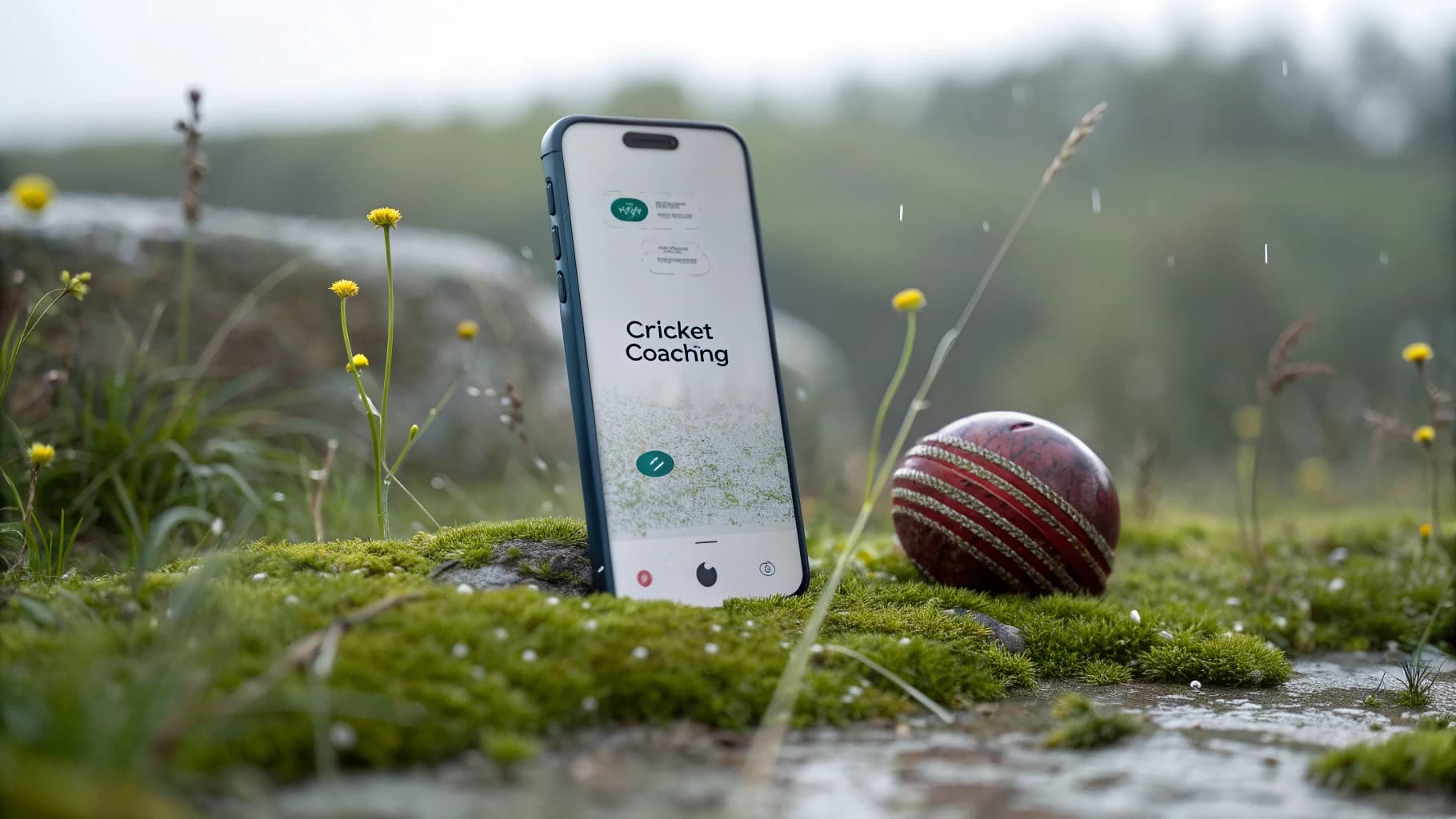
Picture a 12-year-old fast bowler in Varanasi who wants to know why his outswinger is not moving off the seam. He knows exactly what he wants to ask. He has watched Wasim Akram and Jasprit Bumrah break down bowling grips. But every coaching resource he finds online is in English, and while he follows the basics, the technical nuances are lost in translation. The gap between "seam position at the point of release" and the same idea in the language he thinks in is not just linguistic. It is the difference between understanding and truly learning.
This is the reality for millions of aspiring cricketers across India and beyond. And it is a problem AI is well placed to solve.
The Language Gap in Cricket Coaching
Cricket is played seriously in dozens of countries and followed by over two billion people. Yet the overwhelming majority of structured coaching content, the manuals, the biomechanics research, the analysis videos, the certification programs, is produced in English. That creates a real barrier in the countries where cricket is most popular.
India alone has 22 officially recognised languages and hundreds of dialects. A young player in rural Tamil Nadu, a left-arm spinner in Dhaka, a pace bowler in Peshawar most comfortable in Urdu, all face the same problem: the coaching knowledge exists, but not in the language they think in.
Research in sports pedagogy consistently shows that athletes learn motor skills more effectively when instruction comes in their primary language. That is especially true for a technique-heavy sport like cricket, where understanding the "why" behind a drill matters as much as doing the drill.
How AI Changes the Equation
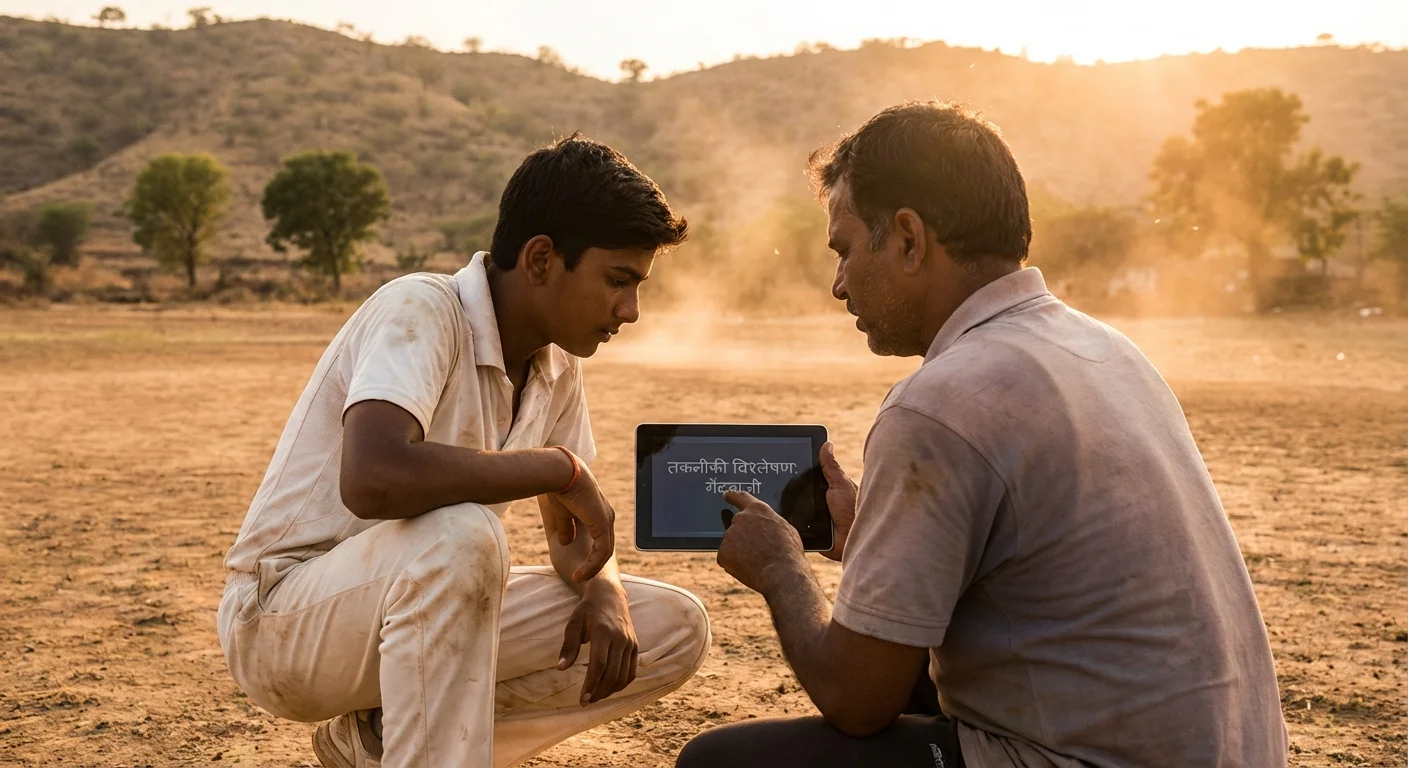
Traditional multilingual coaching meant hiring bilingual coaches or translating manuals, both expensive, slow, and hard to scale. AI-powered platforms take a different route.
Modern large language models can understand and generate nuanced, technically accurate coaching content in dozens of languages. But this is not simple machine translation, and the difference matters.
A literal translation might tell a player to place the front foot in the line of the ball. A contextually aware AI coach goes further, explaining the idea the way a Hindi-speaking coach would: think of the front foot travelling straight toward the ball, as if you are walking to meet it, without striding so far that you lose balance. The second version does not just translate words. It explains the concept with metaphors natural to the language, and it anticipates the follow-up question.
India's Diverse Cricket Landscape
India produces more cricketers than any other nation. From gully cricket in the bylanes of Old Delhi to structured academies in Bengaluru, the game is woven into the country's fabric. But quality coaching is unevenly distributed, and language is part of why.
Consider the states that have produced India's finest cricketers. Jharkhand gave the game MS Dhoni, yet structured English-language coaching in rural Ranchi was virtually nonexistent when he was growing up. Punjab, home to explosive batting talent, has a coaching culture that runs largely in Punjabi. Emerging players from states like Uttarakhand, Chhattisgarh, and the Northeast often hit a language barrier when they reach national camps conducted in English or Hindi.
AI coaching in regional languages tackles this inequity directly. A young cricketer in Assam can get the same quality of technique analysis as a player at an elite Mumbai academy, delivered in Assamese, with examples and metaphors that make sense locally.
Beyond Translation: Culturally Aware Coaching
Effective multilingual coaching is about more than language. It is also about how coaching is delivered.
Many South Asian coaching traditions carry a guru-shishya dynamic between coach and player that is respectful and structured. AI coaching in Hindi or Bengali can mirror that tone, using appropriate forms of address and building explanations from first principles, which is how players in these cultures are used to learning.
Cricket terminology itself shifts by language and region. What English coaching calls a "googly" is a "wrong one" in Australian cricket and might be described as "ulti spin" in colloquial Hindi. An AI that understands these variations can speak in the terms a player already knows, which lowers cognitive load and speeds up learning.
Metaphors differ too. An English-speaking coach might say "imagine you are closing a door" to teach the forward defensive. A Hindi-speaking coach might compare it to gently closing a temple door, an image that carries its own weight around precision and care. AI can be trained to reach for these culturally resonant analogies.
The Technology Behind It
Building genuinely useful multilingual coaching is not trivial. The knowledge base must be accurate and comprehensive, sourced from qualified coaches and checked against biomechanical research. The AI must understand cricket terminology in many languages, so that a player asking how to fix their seam position is read as a bowling question, not a sewing one. And responses must be fluent and natural, handling the code-switching that happens when cricketers mix English technical terms into a sentence built in Hindi or a regional language, because that is how people really talk about cricket.
Making World-Class Coaching Accessible
The impact of multilingual AI coaching goes beyond individual skill. It touches cricket's future as a truly global game.
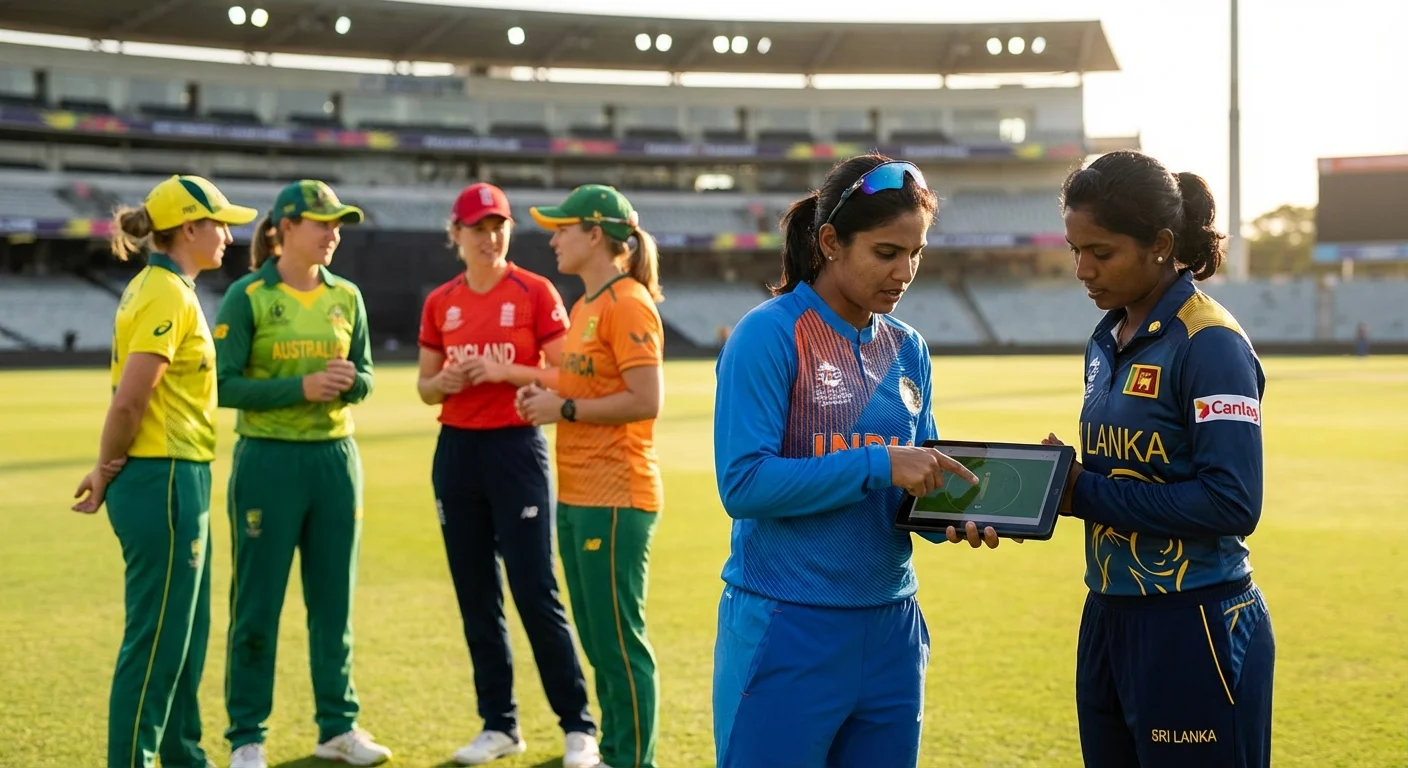
When coaching is available only in English, the sport's growth is limited to English-speaking communities and those with access to bilingual education. When it becomes available in Hindi, Tamil, Bengali, Marathi, Telugu, Urdu, Sinhala, and more, the talent pool widens dramatically.
Afghanistan's rise in international cricket, producing world-class spinners like Rashid Khan from a country with limited infrastructure, hints at the talent waiting in communities where language and access have been barriers. Imagine what opens up when a young cricketer in any village, speaking any language, can reach coaching that understands both the game and their world.
The Road Ahead
We are still early in this shift. Current systems handle some languages better than others; support for widely spoken languages is strong, while less common ones still need work. Voice-based coaching, which removes the literacy barrier entirely, could extend access even further.
The direction is clear. Cricket coaching is becoming more accessible, more personalised, and more inclusive. The language you speak, the village you grew up in, and the resources of your local academy are becoming less decisive of how far you can go.
The best cover drive of the next generation might be played by someone who learned it in Bhojpuri. The next great fast bowler might have refined their action through coaching in Kannada. And that future is not a distant dream. The technology exists today.
Cricket has always been a game that crosses boundaries. With multilingual AI coaching, it is crossing language barriers too.